The tissue soy protein production line uses low-temperature soybean meal and peanut meal as the main raw materials. After grinding, stirring, tempering, high temperature, high pressure, and high shear, spherical protein molecules are opened into chains and reorganized to form a new type of food with a meat like fiber structure, such as lean meat and a chewy feeling; Its products have high nutritional value, have the state and taste of meat, do not contain cholesterol and animal fat, and have the characteristics of oil absorption, water absorption, and flavor absorption; Widely used in various industries such as ham, sausages, canned goods, fast food, and frozen foods.
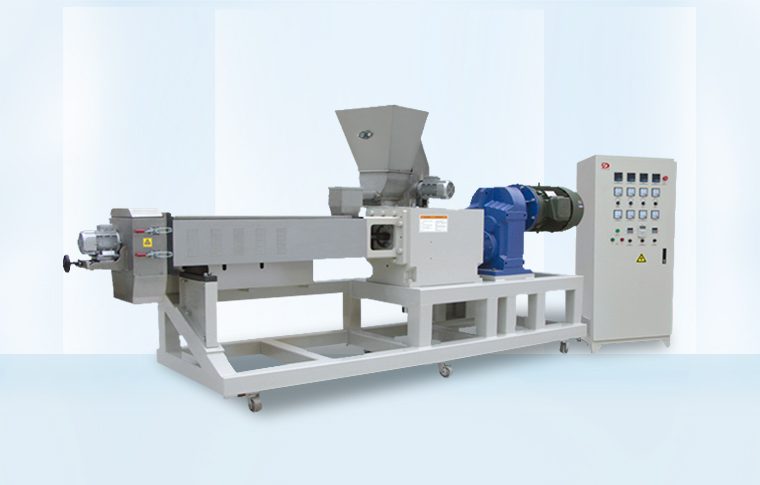
The soy protein production line uses defatted soybean meal and soy protein isolate as the main raw materials. This production line uses twin-screw extrusion technology to form a fibrous plant protein with a texture similar to meat fiber under high temperature and pressure conditions. Due to its good water absorption and oil retention, soybean silk drawing protein can be directly made into vegetable food with different flavors after soaking, or added to sausage, ham, Rice-meat dumplings, frozen dumplings and other foods, which can increase the color, flavor and taste of meat products, increase the content of protein, and promote structural integrity.

Soybean tissue soy protein production line, plant peanut soybean drawing tissue protein equipment production line Nutrient composition: Advanced tissue protein is produced using isolated protein, with high protein content and easy absorption. Because it is plant protein, there is no veterinary drug residue and it is relatively safe. It has a wide range of uses. Used in some meat products. The advanced tissue protein is filamentous tissue protein, which has a noticeable fleshy sensation after rehydration and is relatively low-cost compared to meat.