-
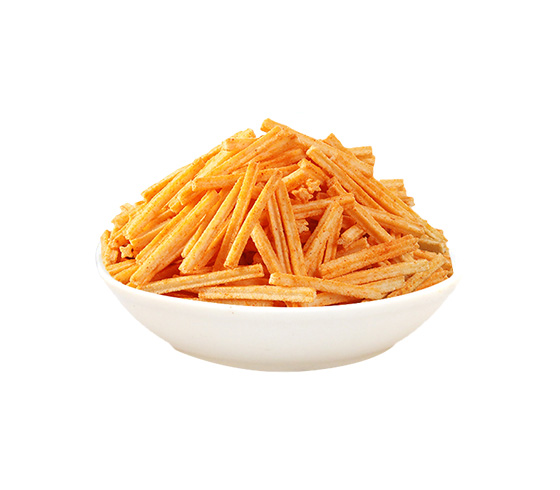
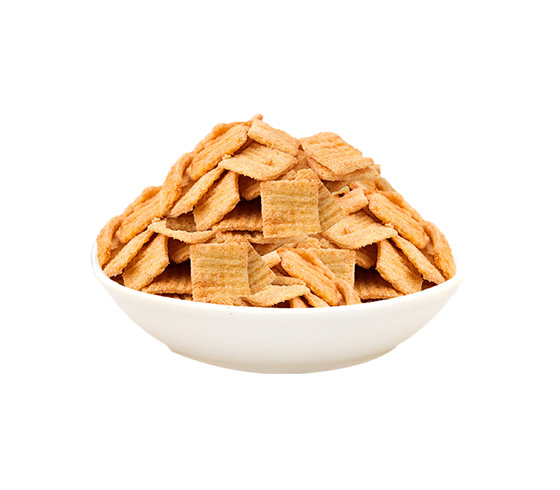
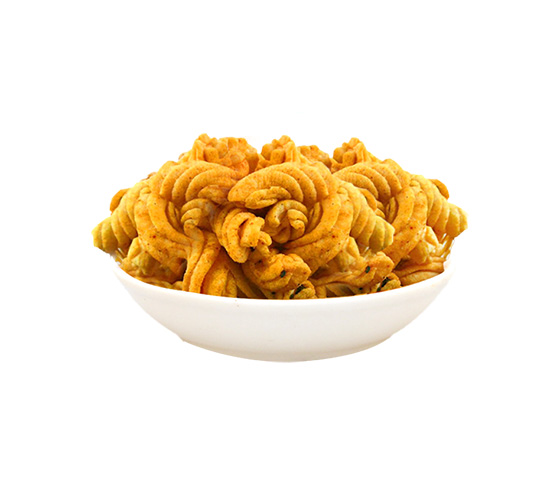
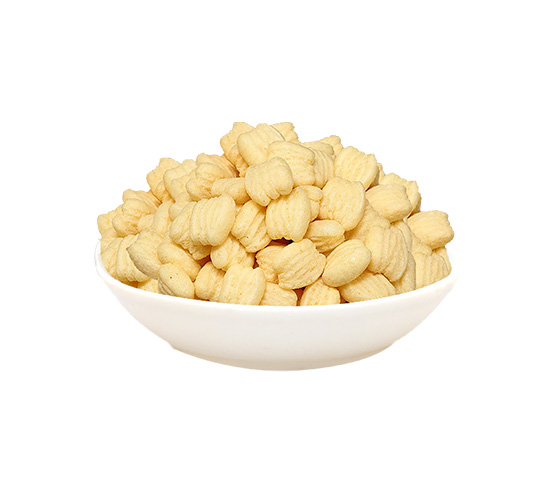
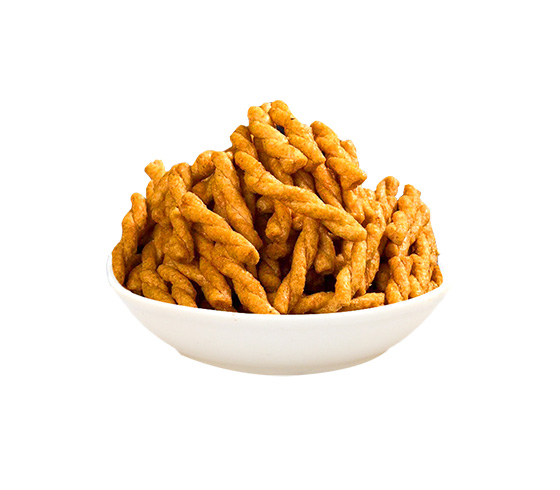
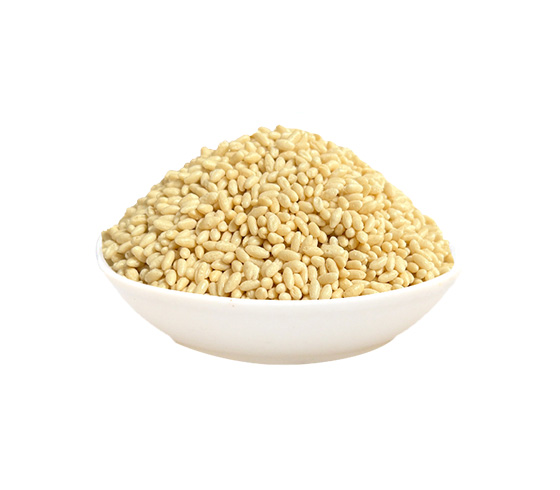
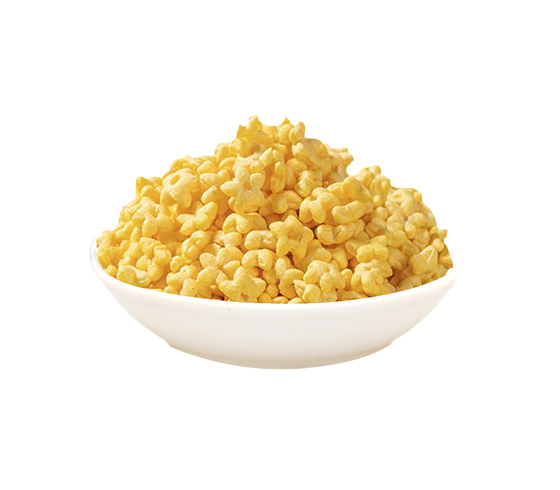
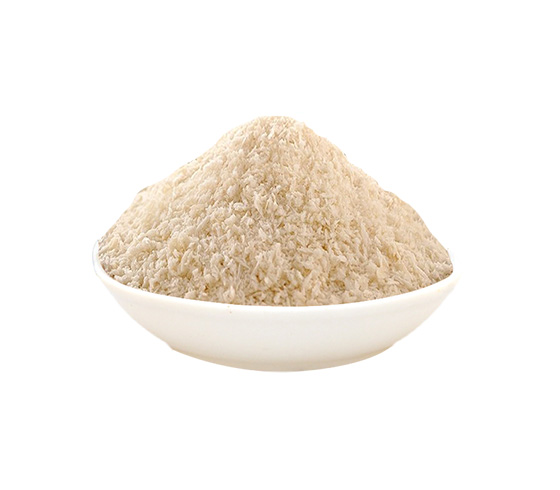
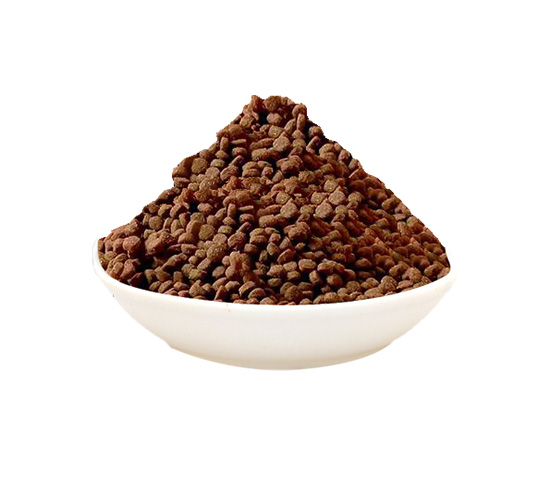
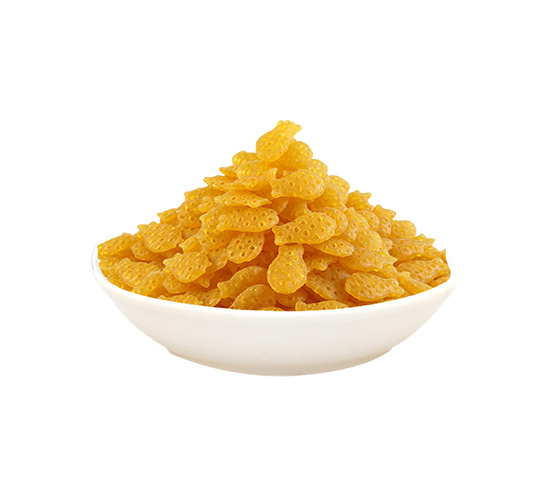
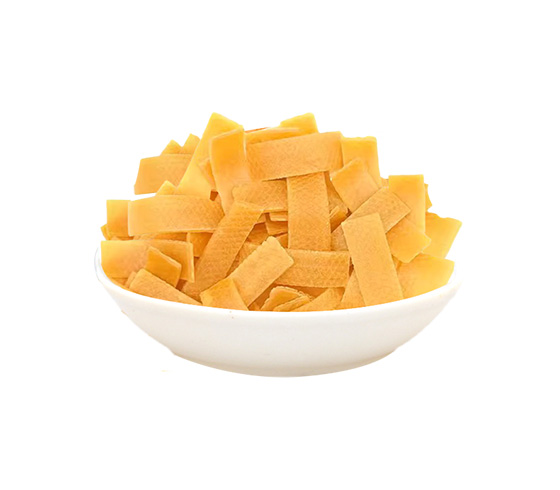
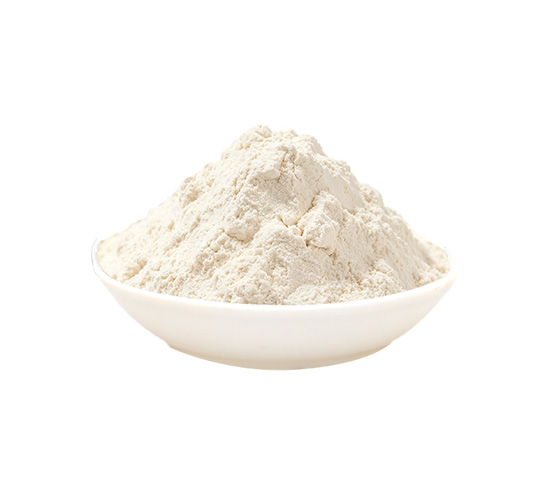
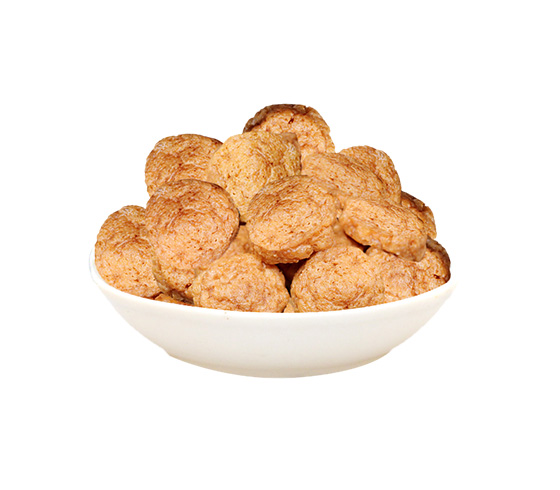
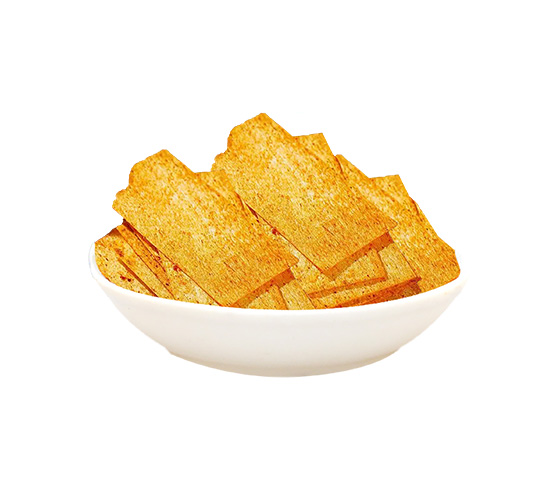
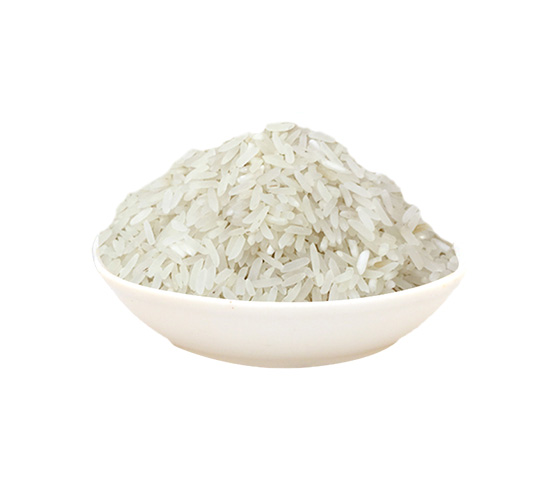
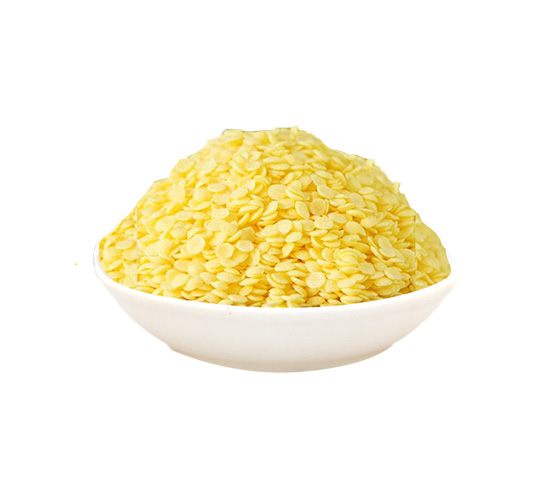
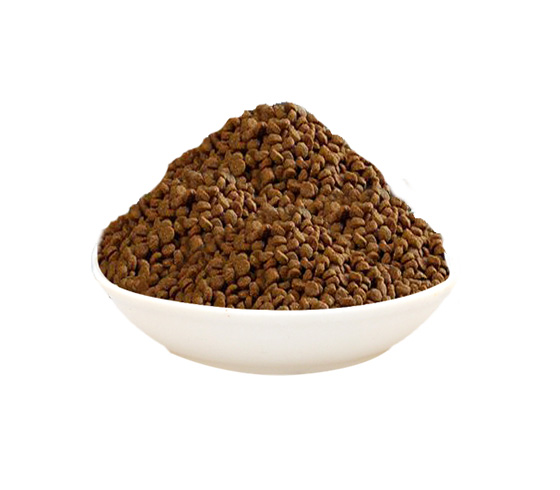
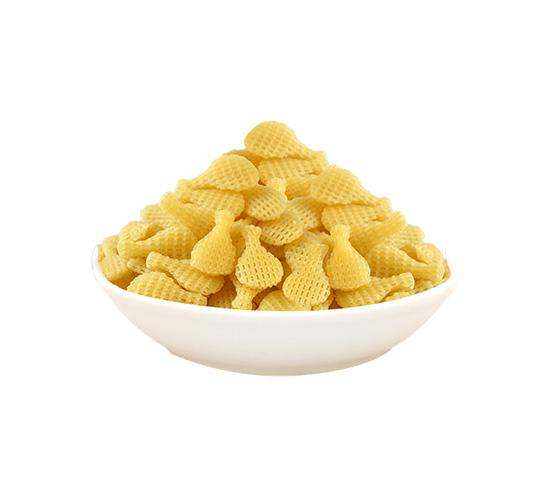
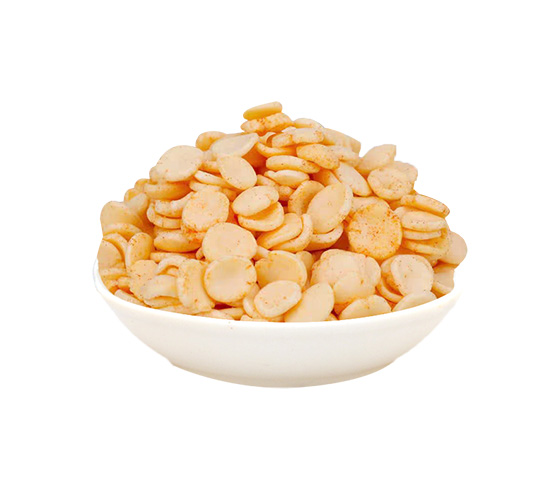
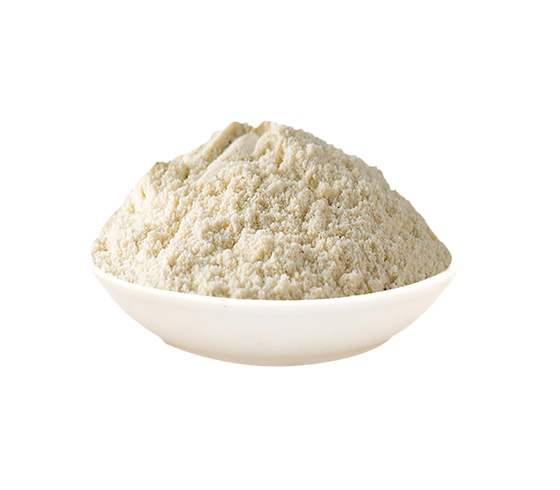
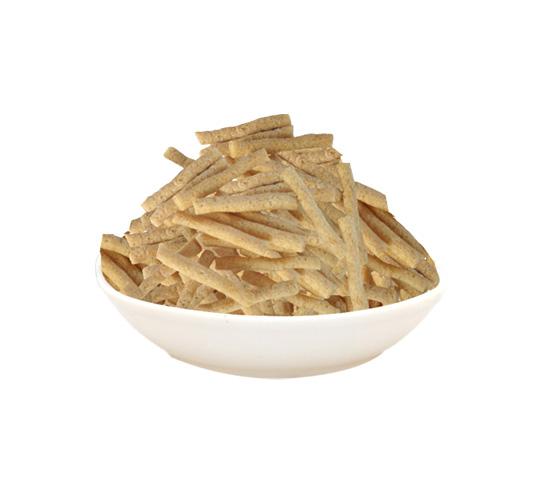
Popular EquipmentPuffed Snacks - Chicken Nuggets with Wheat Aroma Puffed Snacks - Cheese Balls Puffed Snacks - Baby Finger Foods Puffed Snacks - Baby Puffs Puffed Snacks Chocolate BarsFried Food - Small Mahua Fried Food - Indian Roti Fried Food - Guoba Fried Food - Pea Crisps Fried Foods - Salad FriesNutritional Rice / Instant Rice Nutritional Rice / Instant Rice Nutritional Rice / Instant Rice Nutritional Rice / Instant RiceBreakfast Cereals - Meiqi Star Breakfast Cereals - Cereal Rings Breakfast Cereals - Cocoa Balls Breakfast Cereals - Shell Flakes Breakfast Cereals - Corn FlakesBreadcrumbs Needle-shaped Breadcrumbs Bread - Round Bread Crumbs Breadcrumbs - Star Snowflake Shape Breadcrumbs - Crescent Snowflake Chips Breadcrumbs - GranulesPet Snacks - Cat Food Pet Snacks - Cat Food Pet Treats - Dog Food Pet Treats - Dog Food Pet Snacks - Fish Feed3D Blank - Small Fish 3D Blank - Racket 3D Blank - Hexagon 3D Blank - Doule Department 2D Blank - Round TubeBlank - Squid Rings Blank - Small Mantou Raw Material - Small Fish and Shrimp Raw Material - Shrimp Puffs Raw Material - Purple Sweet Potato Shrimp Chips


-
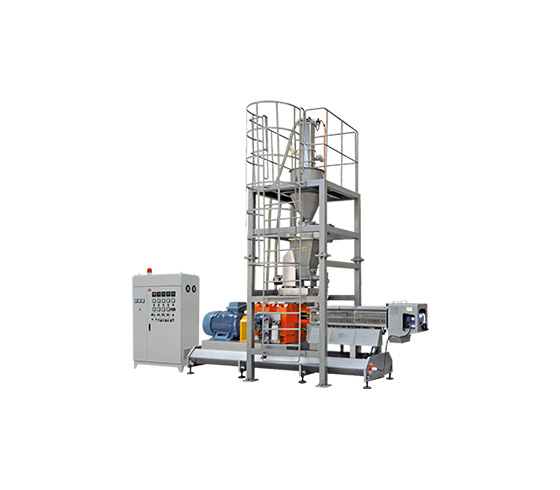
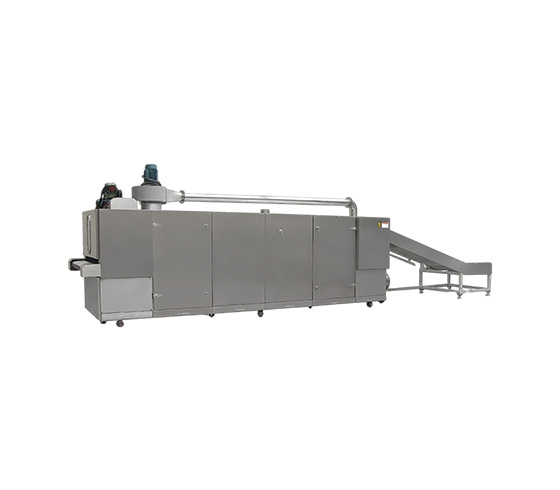
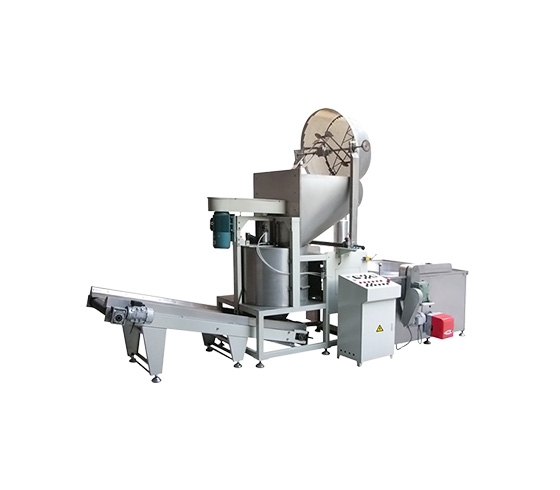
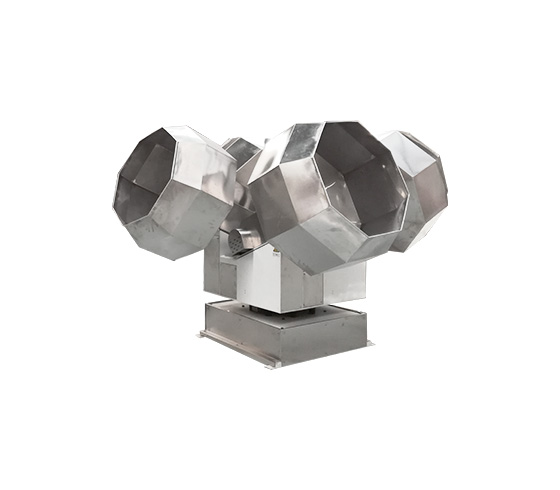
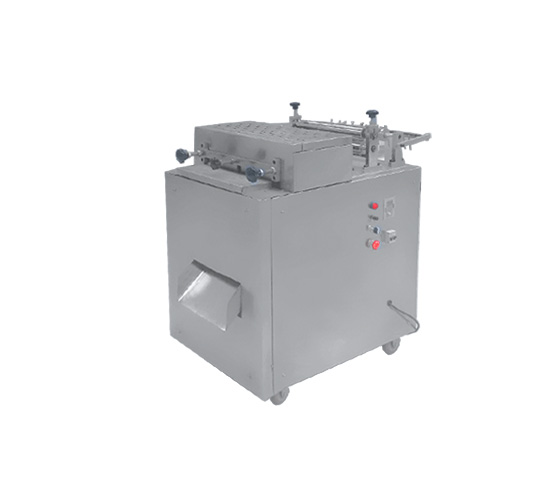
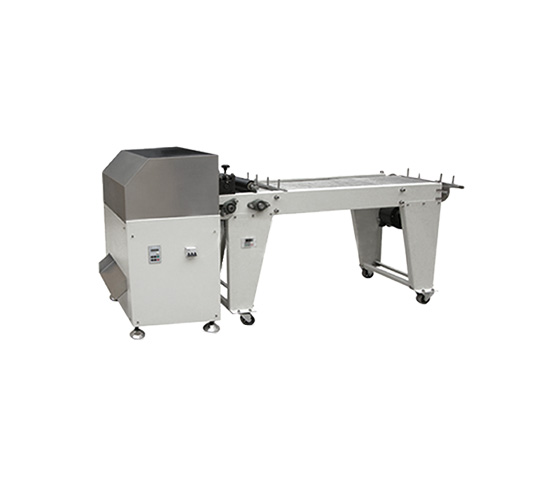
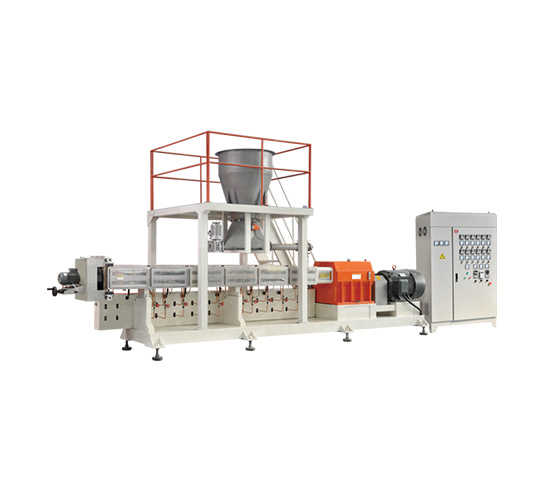
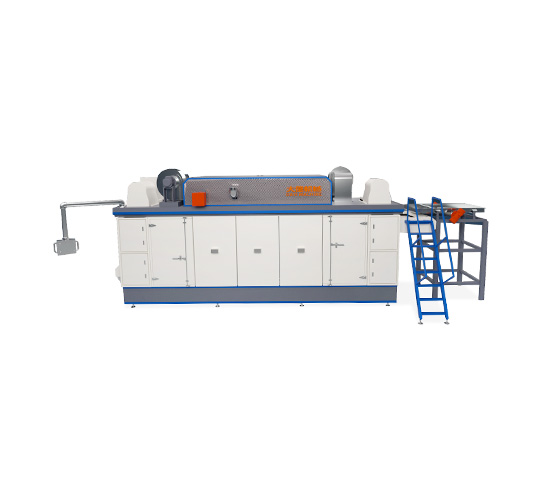
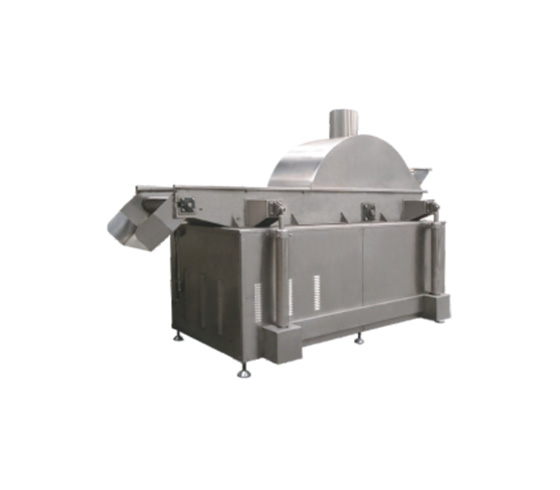
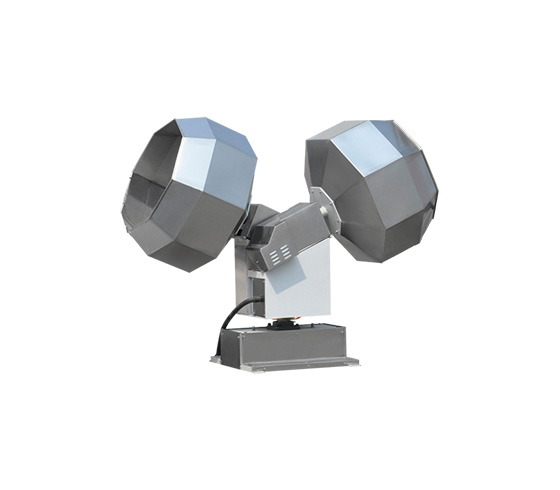
Popular EquipmentSLG75 Twin-screw Extruder SLG72-AII Twin-screw Extruder SLG70-CII Twin-screw Extruder SLG70C Twin-screw Extruder SLG70-AC Twin Screw Main UnitTelescopic Multi-Layer Oven WHX Five-Layer Top-Heated Oven SHX Three-Layer Oil/Gas-Fired Oven DKX Three-Layer Electric Oven YMP-III High-Temperature Drum OvenZYG Automatic Frying Machine ZLYZ Rotary Fryer YM-I Oil Film Frying Machine SYX Double-Drum Oil-Draining Line LXZ6000 Continuous Frying LineFour-head octagonal bucket Double-head Octagonal Drum SBT Double Octagonal Seasoning Line PY-PG-PF Oil Spraying and Seasoning Line PTG Spray Coating Line
Welcome to the official website of DAYI Machinery!
Free Consultation: 400-887-1996
Welcome to the official website of DAYI Machinery!
Free Consultation: 400-887-1996
Welcome to the official website of DAYI Machinery!
Free Consultation: 400-887-1996
Welcome to the official website of DAYI Machinery!
Free Consultation: 400-887-1996
Welcome to the official website of DAYI Machinery!
Free Consultation: 400-887-1996